


Your Ultimate Guide to Preventative Car Maintenance: Stay Ahead of Repairs
Maintaining your car, truck, or SUV is essential to ensuring it runs smoothly and efficiently. Proper car maintenance can prevent costly repairs and extend the lifespan and safety of your vehicle. Many car manufacturers recommend following a maintenance schedule based on engine mileage, making it easier for car owners to keep their vehicles in top shape. In this guide by Aschenbach Ford, we’ll delve into the essentials of preventative vehicle maintenance, focusing on mileage-based maintenance to help you stay ahead of repairs.

Creating a Car Maintenance Schedule By Mileage
When creating a preventative car maintenance schedule, there are several factors to consider. Start by checking your owner’s manual for the manufacturer’s recommended car maintenance by mileage. Your driving habits, climate, and conditions of the roads you drive can also impact how frequently your car needs maintenance. Key mileage milestones, such as 30,000, 60,000, and 90,000 miles, typically require specific maintenance tasks to keep your car running smoothly.
Essential Fluids to Check and Change
Keeping an eye on your car’s essential fluids is a fundamental aspect of preventative car maintenance.
Oil Levels: It is recommended to check and change your oil every 3,000 miles if your car uses non-synthetic oil. If your vehicle takes synthetic oil, it can last for around 5,000 to 10,000 miles depending on your vehicle, oil type, and driving conditions.
Power Steering Fluid: Regularly examine the power steering fluid to ensure smooth handling and steering. If you notice that you have to replace your fluid often, there could be a leak, making your vehicle hard to steer.
Brake Fluid: Frequent checking of brake fluid levels is very important for keeping your vehicle safe. If you notice a strange feeling or delay in your braking system, it is vital to check. A good rule of thumb when checking the brake fluid is if you can’t see through it, it’s time to replace it.
Transmission Fluid: Similar to oil, transmission fluid acts as a lubricant and cools down components inside your transmission. Bad fluid will be dark red with a burnt smell. Replace the transmission fluid every 30,000 to 60,000 miles to keep your transmission in good working order.
Coolant: Coolant or antifreeze prevents overheating of your engine. Around every 60,000 miles, replace your coolant and make sure that your service technician flushes out the entire cooling system in the preventative car maintenance process.
Types of Filters to Replace
Filters play a critical role in maintaining your car’s performance. Regularly replacing them ensures that your vehicle runs efficiently.
Engine Air Filter: Replace the engine air filter every 15,000 to 30,000 miles or yearly, depending on your driving conditions. If you live in a dusty, desert area, stick to replacement at 15,000 miles.
Oil Filter: Every time you change your oil during preventative car maintenance, change the vehicle’s oil filter as well. This service should be done around 3,000 to 7,000 miles, to ensure that contaminants and debris stay out of your oil.
Cabin Air Filter: If you find that your A/C is not operating properly or notice an odor, it is time to change your cabin air filter. Take a look at your vehicle’s owner’s manual for the recommended replacement schedule, usually every 15,000 to 30,000 miles.
Tire Rotation and Replacement
Proper tire maintenance is crucial for safe driving and can extend the life of your tires.
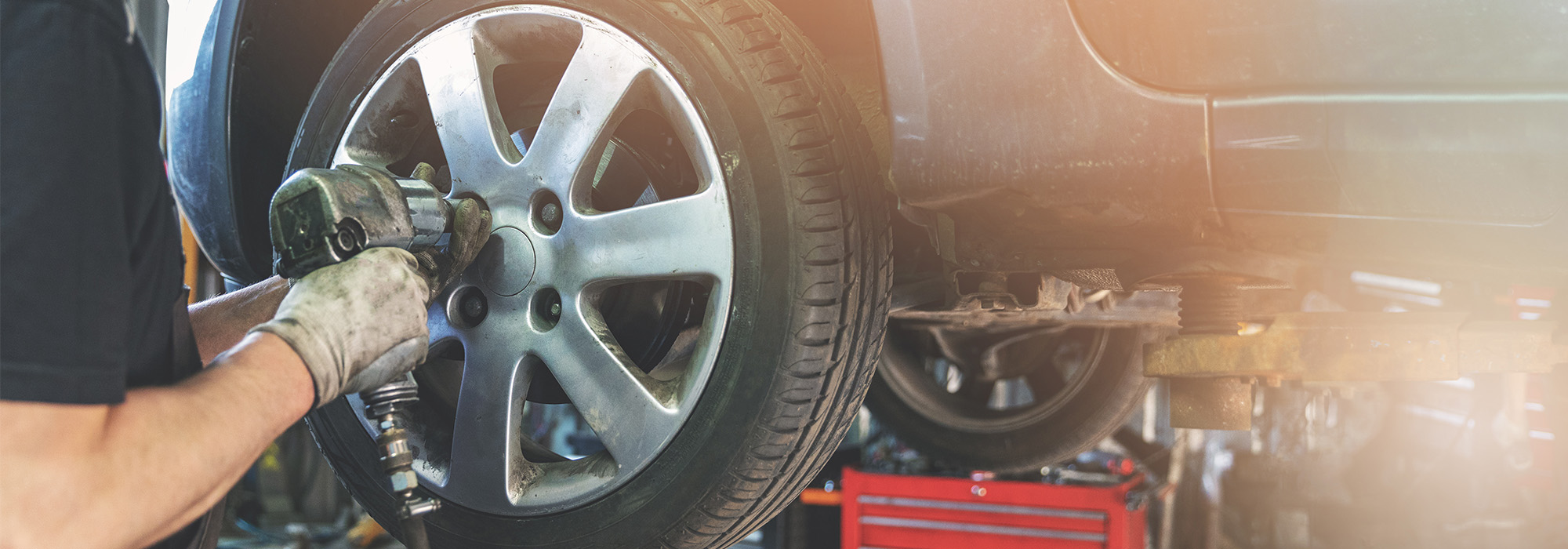
Tire Rotation: Rotate your tires every 6,000 to 8,000 miles, or at every oil change, to ensure even wear on your tires.
Tire Replacement: Regularly check the tire tread wear and replace tires when necessary. Consult your owner’s manual for the recommended tire rotation schedule.
Brake Pad and Rotor Replacement
Maintaining your brakes is crucial for your safety and the safety of others on the road.
Brake Pads: When your brakes begin screeching, you should replace your vehicle’s brake pads. A high-quality brake pad can last around 50,000 miles.
Brake Rotors: Replace brake rotors every 60,000 miles or when they show signs of wear. Always consult your owner’s manual for the recommended brake pad and rotor replacement schedule.
When to Replace Spark Plugs
Spark plugs are essential for your engine’s performance. Replacing them at the right intervals ensures your engine runs efficiently. Replace spark plugs every 100,000 miles, or as recommended by the manufacturer. Regular spark plug replacements can help maintain proper engine performance and prevent potential engine problems.
Start Early and Stay Consistent
Regular maintenance ensures your car is properly maintained and can reduce expensive repairs in the future. By following a detailed preventative car maintenance schedule based on mileage, you can keep your vehicle in top condition, enhance its performance, and avoid expensive repairs. Preventative car maintenance is the key to a long-lasting, reliable car. If you’re still wondering, “how many miles for car maintenance?” schedule service with Aschenbach Ford today!
Connect with us

