

Blog / Aschenbach Ford Service

Preventative Maintenance For Your Car By Mileage

Preventative Car Maintenance

Your Ultimate Guide to Preventative Car Maintenance: Stay Ahead of Repairs

Maintaining your car, truck, or SUV is essential to ensuring it runs smoothly and efficiently. Proper car maintenance can prevent costly repairs and extend the lifespan and safety of your vehicle. Many car manufacturers recommend following a maintenance schedule based on engine mileage, making it easier for car owners to keep their vehicles in top shape. In this guide by Aschenbach Ford, we'll delve into the essentials of preventative vehicle maintenance, focusing on mileage-based maintenance to help you stay ahead of repairs.

Mileage Based Maintenance

Creating a Car Maintenance Schedule By Mileage

When creating a preventative car maintenance schedule, there are several factors to consider. Start by checking your owner’s manual for the manufacturer’s recommended car maintenance by mileage. Your driving habits, climate, and conditions of the roads you drive can also impact how frequently your car needs maintenance. Key mileage milestones, such as 30,000, 60,000, and 90,000 miles, typically require specific maintenance tasks to keep your car running smoothly.

Essential Fluids to Check and Change

Keeping an eye on your car's essential fluids is a fundamental aspect of preventative car maintenance.

Oil Levels: It is recommended to check and change your oil every 3,000 miles if your car uses non-synthetic oil. If your vehicle takes synthetic oil, it can last for around 5,000 to 10,000 miles depending on your vehicle, oil type, and driving conditions.

Power Steering Fluid: Regularly examine the power steering fluid to ensure smooth handling and steering. If you notice that you have to replace your fluid often, there could be a leak, making your vehicle hard to steer.

Brake Fluid: Frequent checking of brake fluid levels is very important for keeping your vehicle safe. If you notice a strange feeling or delay in your braking system, it is vital to check. A good rule of thumb when checking the brake fluid is if you can’t see through it, it’s time to replace it.

Transmission Fluid: Similar to oil, transmission fluid acts as a lubricant and cools down components inside your transmission. Bad fluid will be dark red with a burnt smell. Replace the transmission fluid every 30,000 to 60,000 miles to keep your transmission in good working order.

Coolant: Coolant or antifreeze prevents overheating of your engine. Around every 60,000 miles, replace your coolant and make sure that your service technician flushes out the entire cooling system in the preventative car maintenance process. 
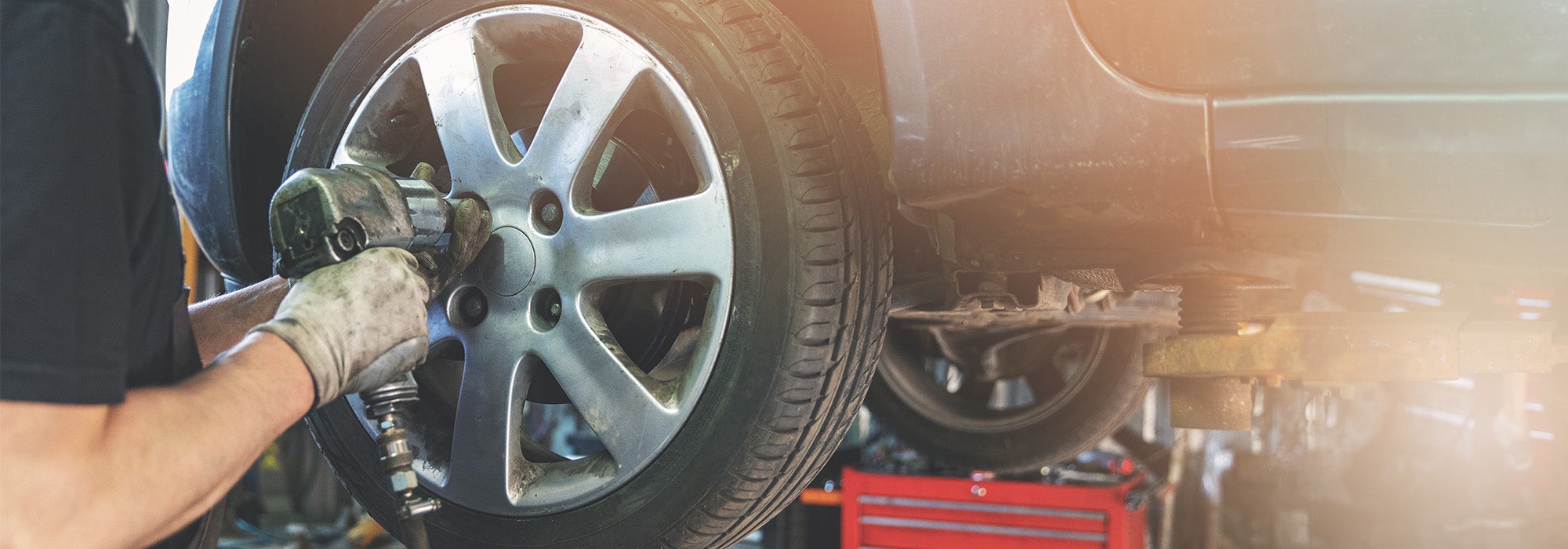
How Many Miles for Car Maintenance

Types of Filters to Replace

Filters play a critical role in maintaining your car's performance. Regularly replacing them ensures that your vehicle runs efficiently.

Engine Air Filter: Replace the engine air filter every 15,000 to 30,000 miles or yearly, depending on your driving conditions. If you live in a dusty, desert area, stick to replacement at 15,000 miles.

Oil Filter: Every time you change your oil during preventative car maintenance, change the vehicle's oil filter as well. This service should be done around 3,000 to 7,000 miles, to ensure that contaminants and debris stay out of your oil.

Cabin Air Filter: If you find that your A/C is not operating properly or notice an odor, it is time to change your cabin air filter. Take a look at your vehicle's owner’s manual for the recommended replacement schedule, usually every 15,000 to 30,000 miles.

Tire Rotation and Replacement

Proper tire maintenance is crucial for safe driving and can extend the life of your tires.

Tire Rotation: Rotate your tires every 6,000 to 8,000 miles, or at every oil change, to ensure even wear on your tires.

Tire Replacement: Regularly check the tire tread wear and replace tires when necessary. Consult your owner’s manual for the recommended tire rotation schedule.

Brake Pad and Rotor Replacement

Maintaining your brakes is crucial for your safety and the safety of others on the road.

Brake Pads: When your brakes begin screeching, you should replace your vehicle's brake pads. A high-quality brake pad can last around 50,000 miles. 

Brake Rotors: Replace brake rotors every 60,000 miles or when they show signs of wear. Always consult your owner’s manual for the recommended brake pad and rotor replacement schedule.

When to Replace Spark Plugs

Spark plugs are essential for your engine's performance. Replacing them at the right intervals ensures your engine runs efficiently. Replace spark plugs every 100,000 miles, or as recommended by the manufacturer. Regular spark plug replacements can help maintain proper engine performance and prevent potential engine problems.
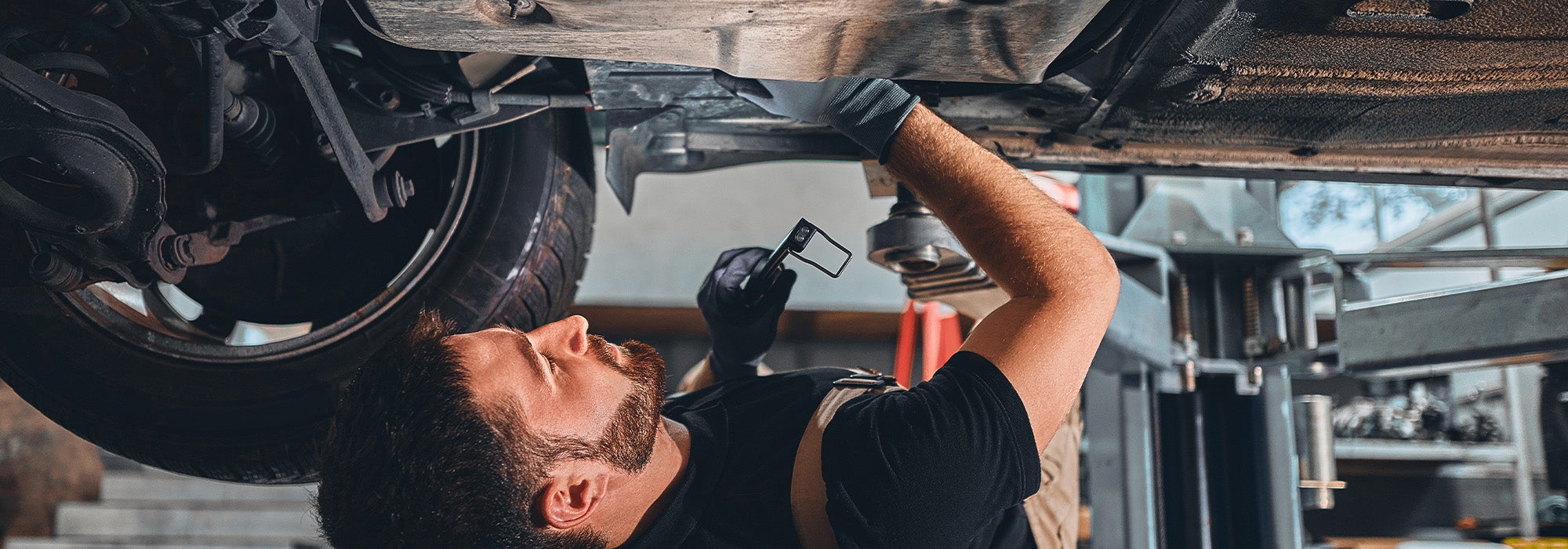
Car Maintenance Schedule by Mileage

Start Early and Stay Consistent

Regular maintenance ensures your car is properly maintained and can reduce expensive repairs in the future. By following a detailed preventative car maintenance schedule based on mileage, you can keep your vehicle in top condition, enhance its performance, and avoid expensive repairs. Preventative car maintenance is the key to a long-lasting, reliable car. If you’re still wondering, “how many miles for car maintenance?” schedule service with Aschenbach Ford today!


SCHEDULE SERVICE

Posted in:

Related Posts

Ford F-150 Maintenance

Ford F-150 Maintenance Guide

Ford F-150 Recommended Maintenance Schedule Caring for your Ford F-150 means understanding the vital role that each Ford F-150 maintenance task plays in preserving the integrity and longevity of your reliable, durable vehicle. From routine oil changes that keep the engine purring like new to more intricate tasks like spark plug replacements that ensure optimal fuel efficiency, every component of your Ford F-150 is interconnected. At Aschenbach Ford, our team of expert technicians is committed to helping you preserve the integrity of your truck through a meticulous maintenance schedule tailored to your Ford F-150’s unique needs. Schedule your next service appointment with us online today! For detailed maintenance schedules, always refer to the owner's manual to ensure proper care and longevity of your vehicle. Routine Maintenance Schedule: What To Expect During Service At Each Mileage These services include essential inspections, replacements, and repairs necessary to ensure the vehicle's performance and longevity. Oil and Oil Filter Replaced Engine oil keeps your Ford F-150's internal engine parts clear of friction while protecting against damage. Replacing the oil and having the oil filter replaced around every 5,000 and 10,000 miles during your Ford F-150 maintenance appointment ensures that the oil doesn’t become contaminated with dirt and debris that clogs or damages the engine. Rotate Tires We advise that you rotate your Ford F-150's tires around every 5,000 miles to ensure uniform wear across all four tires. This not only prolongs the life of the truck tires but also improves traction and handling for a safer driving experience. Inspection Of Belts, Hoses, and Fluids During the routine Ford F-150 maintenance appointment, it’s important to check all vital vehicle components like belts, hoses, and fluid, as well as to top off other vital fluids like brake fluid, transmission fluid, coolant, and windshield washer fluid. Additionally, it is crucial to have the filters replaced to ensure the vehicle remains in safe and drivable condition. Ford F-150 30K Mile Maintenance: Replacing Filters and Fluids By Mileage Replace Engine Air Filter The engine air filter prevents dirt, dust, and debris from entering the engine for optimal vehicle performance and lasting fuel efficiency. A clogged air filter reduces engine power and increases fuel consumption, so it’s important to replace it around every 30,000 miles. Cabin Air Filter Replaced The cabin air filter ensures no allergens, dust, or pollutants enter into the Ford F-150's interior via the air conditioning system, and it is important to have the cabin air filter replaced at regular intervals, starting from 20,000 miles and continuing every 20,000 miles thereafter. Fuel Filter Replacement Replacing the fuel filter around every 30,000 miles at your Ford F-150 maintenance appointment helps keep out contaminants that lead to poor truck engine performance and reduced fuel efficiency. Transmission Fluid Service Automatic transmission fluid and filters can deteriorate and become polluted, which may increase issues with shifting and could potentially harm the transmission. A transmission fluid service around every 30,000 miles helps maintain smooth shifting, prolonging the life of the transmission. Lubricate Ball Joints Ball joints facilitate seamless and precise maneuverability of the front tires. Regularly greasing the ball joints approximately every 30,000 miles during your Ford F-150 maintenance appointment aids in reducing wear and tear, thus extending their service life. Ford F-150 Maintenance After 60,000 Miles: Replacement And Flushing By Mileage Clean and Repack Wheel Bearing Cleaning and repacking the wheel bearings with fresh grease around every 60,000 miles at the Ford F-150 maintenance appointment helps maintain proper wheel function and prevent costly repairs down the road. Replace Spark Plugs Spark plugs deliver the necessary spark to ignite the air-fuel mix within the engine's cylinders, and they typically need to be replaced near the 90,000-mile mark. Deteriorated or contaminated spark plugs can cause engine misfires, diminished fuel efficiency, and decreased engine power. Cooling System Flush Coolant becomes contaminated from regular use over time, thus losing its effectiveness and leading to engine overheating if not replaced. Flushing the cooling system of your vehicle at around 100,000 miles helps remove contaminants for proper coolant system function. Positive Crankcase Ventilation Valve Replacement The PCV valve helps prevent harmful gases from building up in the vehicle’s engine. Replacing it around every 20,000 miles after 100,000 miles at your Ford F-150 maintenance appointment helps maintain proper engine function. Replace Differential/Gear Oil The differential and gear oil lubricate the gears in your truck’s drivetrain, but they can break down and become contaminated over time, leading to increased wear on the gears. Replacing the differential and gear oil around every 50,000 miles after the 100,000 milestone for the remainder of your truck's lifespan helps prolong its drivetrain for years to come. Ford F-150 Maintenance Cost: Vehicle Care Prices Following The Maintenance Schedule Maintaining your Ford F-150 is crucial, and it's vital to understand the expenses involved in its regular maintenance and repairs. The maintenance costs for your Ford F-150 can vary based on various aspects, such as the truck's age, the particular model, your driving habits, and the pricing available at our service center. Taking Care Of Your Ford F-150: Vehicle Maintenance Care For Your Truck By consistently committing to Ford F-150 maintenance, you can avoid minor problems from growing into significant repairs, ultimately saving you time and money and reducing stress over time. Each oil change, filter replacement, and fluid check is a step toward ensuring that your Ford F-150 continues to perform at its best, delivering the power, reliability, and comfort that your truck is legendarily known for. At Aschenbach Ford, our dedicated technicians support you and keep you happy every step of the way, offering expert advice and top-notch service to keep your Ford F-150 in peak condition. Schedule your next service appointment online today! SCHEDULE SERVICE

Ford Bronco Maintenance

Ford Bronco Maintenance Guide

Know Your Vehicle’s Maintenance Schedule When you get a Ford Bronco or Ford Bronco Sport, you're driving right into a world that's all about freedom and enjoying off-road adventures. Hitting the trails hard can take its toll on your ride, meaning you'll need to keep up with routinely bringing in your Ford Bronco or Ford Bronco Sport in for maintenance. Keeping your vehicle in top shape is easy when you follow the Ford Bronco and Ford Bronco Sport maintenance schedule and book your maintenance visits at Aschenbach Ford. We only use the best parts and the latest tools to make sure your Ford Bronco or Ford Bronco Sport stays in great condition. Book your service with us today online and keep hitting the trails with peace of mind! Ford Bronco Maintenance Schedule Routine Maintenance Regular Oil and Filter Replacement: To ensure the longevity and optimal performance of your Ford Bronco’s engine, change the oil and filter around every 5,000 miles. This Ford Bronco maintenance task removes old, contaminated oil and replaces it with new oil, keeping the engine parts well-lubricated to prevent wear and tear. Tire Rotation: To ensure optimal longevity and even wear, it's crucial to rotate your tires approximately every 5,000 miles. By doing so, you can significantly prolong the life of your tires while also ensuring that your vehicle maintains balanced handling and traction. Inspection of Brakes, Belts, Hoses, and Fluids: Whenever you get your oil and filter changed and tires rotated during your Ford Bronco maintenance appointment, ask the technician to visually inspect your brakes, belts, hoses, and fluid levels thoroughly for signs of wear or damage. Maintenance By Mileage At and Before 30,000 Miles Engine Air Filter Replacement: The engine air filter acts as a critical defense, blocking dirt, dust, and various contaminants from entering the engine. For optimal engine health and maximum performance, it's advisable to replace the air filter approximately every 15,000 miles. Cabin Air Filter Check and Replacement: It's essential to regularly replace the cabin air filter when you bring your Ford Bronco for maintenance to ensure the air inside your vehicle remains free of pollutants, dust, and allergens, contributing to a healthier and more pleasant driving environment for both you and your passengers. Brake Pads and Rotors Inspection: Checking brake pads and rotors every 25,000 miles during your Ford Bronco maintenance appointment is crucial to maintain their proper functioning. Degraded brake pads can result in costlier fixes and hazardous driving scenarios. Tire Inspection and Replacement: Ensuring the safety and performance of your vehicle is a top priority, and regular tire inspections play a key role in achieving this. By inspecting your tires every 20,000 to 30,000 miles for wear, damage, and inflation, you can maintain optimal traction and handling. Brake Fluid Replacement: Brake fluid maintains your vehicle's braking system's effectiveness, serving as the channel through which the pressure from the brake pedal is transferred to the brake mechanisms. Replace the brake fluid around every 30,000 miles during your Ford Bronco maintenance appointment. Engine Coolant Swap: Engine coolant is essential for maintaining your engine's optimal temperature by efficiently removing excess heat. Although coolant can degrade over time, it's easy to maintain its effectiveness by replacing it every 30,000 miles. Transmission Fluid Change: Regularly changing your transmission fluid every 30,000 miles at your Ford Bronco maintenance appointment is a simple yet effective way to ensure smooth gear shifts, prevent overheating, and maintain the performance and longevity of your transmission. Spark Plug Inspection and Replacement: Spark plugs play a crucial role in igniting the air-fuel mixture within the engine cylinder, facilitating the combustion necessary for the engine's smooth operation. If spark plugs are worn or faulty, they can result in misfiring, decreased fuel efficiency, and compromised engine performance. Vehicle Maintenance After 50,000 Miles Motor Mount Inspection and Replacement: Motor mounts play a critical role in securely attaching the engine and transmission to a vehicle's frame, and are susceptible to wear and tear. Replace them every 50,000 to 60,000 miles at your Ford Bronco maintenance appointment to maintain the stability of the engine and transmission. Drive Belts and Hoses Check and Replacement: Belts and hoses are important for alternator, power steering pump, and air conditioning compressor functionality. Inspecting and replacing them every 50,000 to 65,000 miles helps prevent failures that could lead to engine overheating or loss of power steering. Suspension Bushings Inspection and Replacement: Bushings are essential in decreasing noise and vibrations, ensuring the vehicle remains stable and handles well. Checking and replacing them around every 50,000 to 65,000 miles can help ensure a comfortable and stable ride. Shock Absorber and Strut Replacement: Shock absorbers and struts are vital components of the suspension system, responsible for regulating the behavior of the vehicle's springs to enhance the driving experience with a smoother ride. Replace the shock absorbers and struts around every 75,000 miles at your Ford Bronco maintenance appointment. Engine Coolant Hose Inspection and Replacement: The coolant hose plays a crucial role in your vehicle's cooling system by transporting coolant between the engine and the radiator. However, it is prone to wear and tear — leading to deterioration, cracking, or leaks, resulting in coolant loss and engine overheating. Inspect and replace any damaged hoses around every 90,000 miles. Ford Bronco Maintenance Cost Maintaining a Ford Bronco or Ford Bronco Sport involves several routine services that ensure the vehicle remains in top condition, but it's also important to consider the associated costs for a Ford Bronco maintenance appointment. Ford Bronco and Ford Bronco Sport maintenance costs depend on your usage of the vehicle, its age, and  the rates available in your area. Fast, Convenient Online Scheduling Regular maintenance for your Ford Bronco or Ford Bronco Sport helps extend the vehicle's lifespan and ensures it remains safe, efficient, and ready for any adventure. At Aschenbach Ford, our team is equipped to handle any challenge or regular maintenance tasks your vehicle needs while providing absolute transparency about your Ford Bronco and Ford Bronco Sport maintenance costs, guaranteeing that your adventures are always safe, enjoyable, and memorable. Schedule your appointment online to book your next service today! SCHEDULE SERVICE

Ford Escape Maintenance

Ford Escape Maintenance Guide

Taking Care Of Your Ford Escape The trusted Ford Escape is known for being reliable in every circumstance, from weekend adventures to daily commutes. Ensuring your Ford Escape remains reliable and performs at its best requires a diligent and consistent Ford Escape maintenance routine. At Aschenbach Ford, our expert team is here to help you every step of the way, from providing master-level service to equipping you with all the essential information to keep your beloved SUV in prime condition. Visit us today in Wytheville, VA! Ford Escape Maintenance Schedule Routine Maintenance Change Oil and Filter: Regular oil changes are the lifeblood of your vehicle. Fresh oil in your car ensures that your engine runs smoothly, reduces friction, and prevents overheating by cooling the engine. At every 5,000-mile interval, have the technician change the oil and filter to keep your engine clean and well-lubricated. Rotate Tires: Tire rotation is vital for even tire wear and extended tire life. Rotating your tires at every 5,000-mile Ford Escape maintenance appointment helps distribute the wear more evenly, enhancing the safety and performance of your Ford Escape. This service also allows the technician to detect debris like nails or glass that could cause an unexpected flat tire down the road. Inspect Brakes, Belts, and Hoses: Regular inspections of your brakes, belts, and hoses can prevent significant issues down the road. Brakes ensure your vehicle can stop safely, belts drive various engine components, and hoses transport essential fluids. Checking these components every 5,000 miles ensures your vehicle’s critical systems function correctly and can help you avoid unexpected breakdowns. Mileage-Based Maintenance At And Before 30,000 Miles Replace Engine Air Filter: The engine filter removes dirt and debris from your engine. Replacing it during your Ford Escape maintenance appointment every 10,000 mi., starting at around 20,000 miles, ensures that your engine breathes clean air, improving performance and fuel efficiency. Replace Cabin Air Filter: The cabin air filter keeps the air quality high inside the cabin of your vehicle by filtering out dust, pollen, and other pollutants. A fresh cabin air filter provides clean air for you and your passengers, enhancing comfort and reducing allergens. As with the engine air filter, changing this every 10,000 miles, starting at around 20,000 miles, can help keep your engine healthy and working correctly. Transmission Fluid Service: Transmission fluid lubricates and cools the transmission, ensuring smooth gear shifts. Servicing the transmission fluid every 30,000 miles during your Ford Escape’s maintenance appointment helps maintain optimal transmission performance and prevents costly repairs. Lubricate Ball Joints: Ball joints are crucial for your vehicle suspension system, allowing for smooth steering and suspension movement. Lubricating them around every 30,000 miles keeps your suspension in good working order, providing a smoother ride and better handling. Replace Fuel Filter: The fuel filter ensures that your engine receives clean fuel by filtering out impurities. Having the fuel filter replaced every 30,000 miles helps keep excellent fuel efficiency and engine performance. Car Maintenance After 90,000 Miles Replace Spark Plugs: The spark plugs of your vehicle ignite the air-fuel mixture and engine cylinders. Wearing or dirty spark plugs can cause misfires, reduced fuel efficiency, and poor engine performance. Replace them around every 90,000 miles at your Ford Escape’s maintenance appointment. Flush Cooling System: The cooling system prevents the engine from overheating by moving the coolant around through the engine and radiator. Flushing the cooling system at around 100,000 miles removes old coolant and contaminants, ensuring your engine stays cool under all conditions. Replace Differential/Gear Oil: Differential and gear oil lubricates the gears and bearings in your vehicle's differential and transmission, and the oil can break down or become contaminated. Replacing this oil at around 100,000 miles during your Ford Escape’s maintenance appointment helps maintain proper lubrication and extends the life of these critical components. Replace Positive Crankcase Ventilation: The PCV system removes harmful gases from the engine crankcase and recycles them through the engine to be burned off. A malfunctioning positive crankcase ventilation valve can lead to engine deposits and increase emissions, and replacing it around 100,000 miles helps reduce these issues. Replace Serpentine/Drive Belts: Serpentine and drive belts with the function and health of various parts of the vehicle, including the alternator, air conditioning compressor, and power steering pump. Replacing them at around 150,000 miles prevents belt failure and ensures all engine accessories operate smoothly. Replace Transfer Case Fluid: The transfer case fluid lubricates the gears, bearings, and transfer case, which are part of the all-wheel and four-wheel drive systems. Replacing this fluid at around 100,000 miles helps maintain optimal performance and prevents wear on these critical components. Ford Escape Hybrid Maintenance For Ford Escape Hybrid owners, maintenance is slightly different due to the hybrid powertrain. Hybrid-specific components, such as the high-voltage battery and electric motor, require less frequent servicing but should be inspected periodically by trained technicians. Regular checks of the regenerative braking system and the cooling system for the battery are crucial. Ford Escape Maintenance Costs The cost of maintaining your Ford Escape is dependent on the various rates of your local service provider. You can also expect maintenance costs to change based on your driving habits and what you use your vehicle for. It’s Time For Your Appointment By following the detailed Ford Escape maintenance plan outlined above and referring to your vehicle’s manual, you can ensure that your car delivers top-notch performance, safety, and comfort. At Aschenbach Ford, we are dedicated to providing you with the highest level of service and expertise, ensuring your Ford Escape receives the care it deserves. Our skilled technicians can help you keep your Ford Escape running smoothly so you can get back on the road in no time. Schedule your appointment online to book your service appointment today! SCHEDULE SERVICE